Knee osteoarthritis has long been treated as a one-way slide toward joint replacement — something to be managed, not prevented. That framing is outdated. Research now describes osteoarthritis as a whole-organ disease with real, modifiable risk factors, and muscle weakness sits near the top of that list.
Not just wear and tear
For decades, osteoarthritis (OA) was treated as a disease of cartilage, something to be managed conservatively until it got bad enough for a joint replacement. A 2015 review in Nature Reviews Rheumatology reframes it: OA is now understood as a whole-organ disease that develops slowly, typically over 10–15 years, and is amenable to prevention and early treatment — not something to passively wait out until "joint death" (Roos & Arden, 2015).
The scale of the problem
Knee OA is common and getting more so. One estimate puts the number of Americans affected at roughly 60 million, with that figure projected to keep climbing (Vincent & Vincent, 2012). Knee pain during movement is one of the strongest predictors of needing functional assistance later in life, and it ranks as the second leading cause of disability in the United States (Vincent & Vincent, 2012).
Muscle weakness isn’t a side effect — it’s a risk factor
Impaired muscle function is commonly seen after knee injury and is associated with ongoing knee pain — but it isn't just a byproduct of OA. Research identifies it as an independent risk factor for developing the condition in the first place (Roos & Arden, 2015). A systematic review and meta-analysis focused specifically on this question found that knee extensor (quadriceps) weakness measurably raises the risk of later developing knee OA (Øiestad et al., 2015). Separately, loss of leg muscular strength has been linked to more pain, more disability, and faster OA progression once the condition is present (Vincent & Vincent, 2012).
Prevention is a real, achievable target
Because injury, obesity, and impaired muscle function are all modifiable, OA increasingly fits the mold of other chronic diseases where personalized prevention is the standard of care, not an afterthought (Roos & Arden, 2015). One striking data point: neuromuscular and proprioceptive training programs have been shown to prevent roughly 50% of major knee injuries during sport — direct evidence that primary prevention of a major OA risk factor is achievable, not theoretical (Roos & Arden, 2015).
Even after an injury, the window isn’t closed
Roughly half of people who sustain a major knee injury go on to develop knee OA, whether or not they have surgical reconstruction (Roos & Arden, 2015). That statistic cuts both ways: it's sobering, but it also means secondary prevention — specifically, addressing the muscle weakness that so often follows injury — is a meaningful opportunity, not a lost cause.
What resistance exercise actually changes
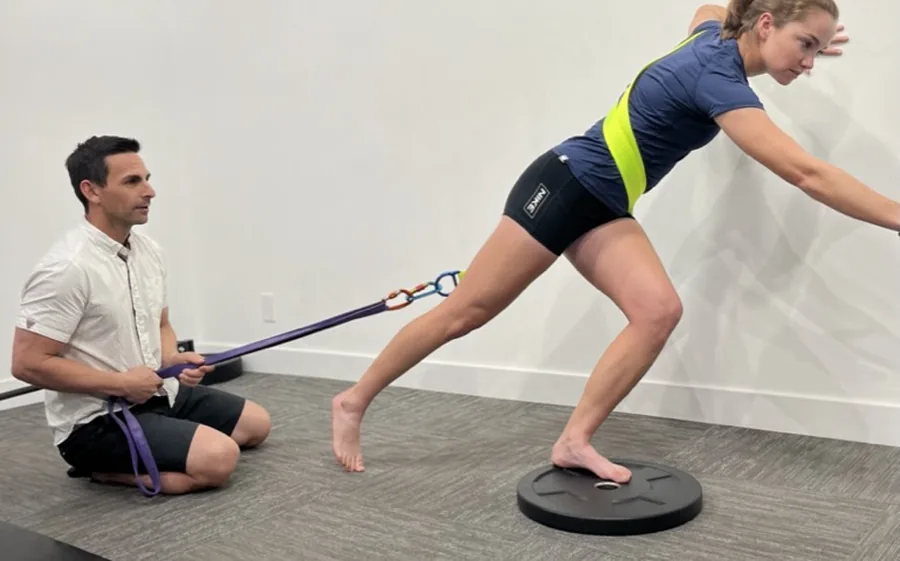
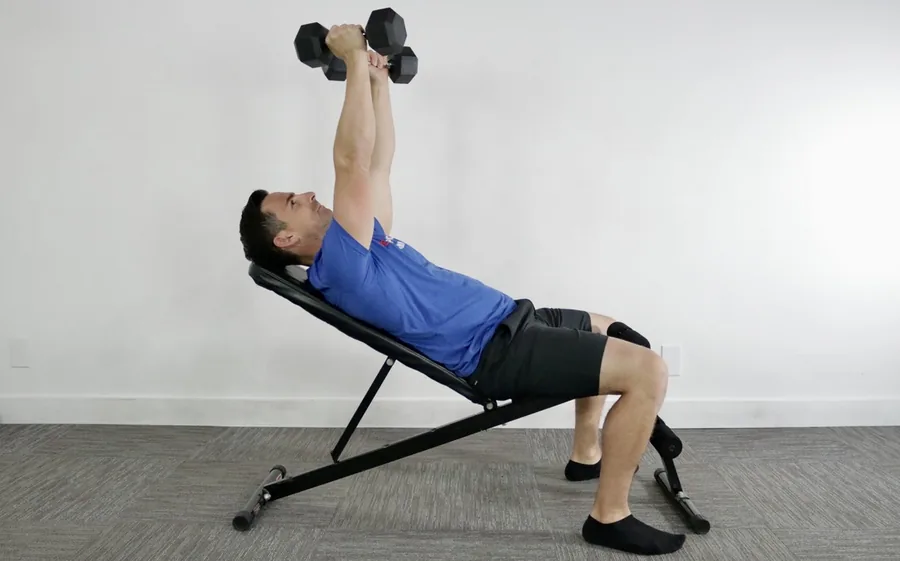
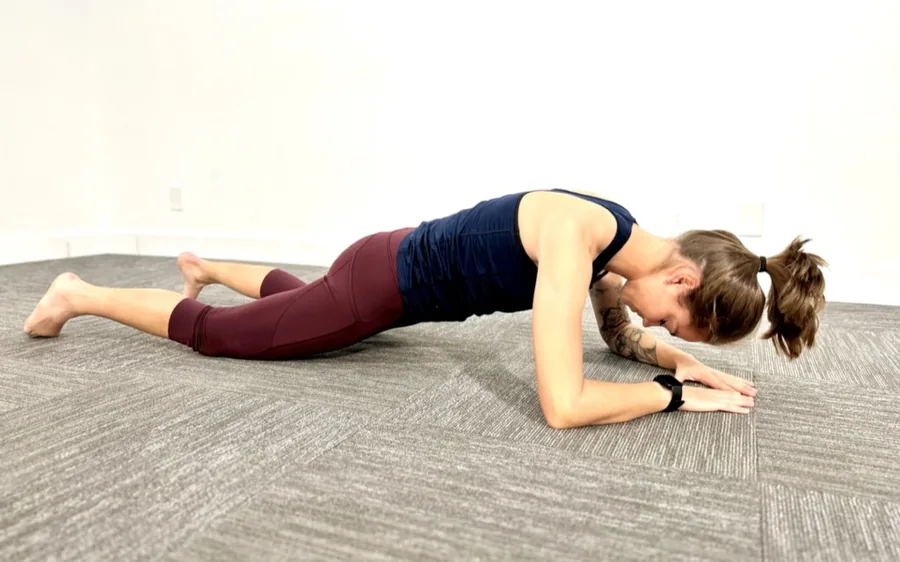
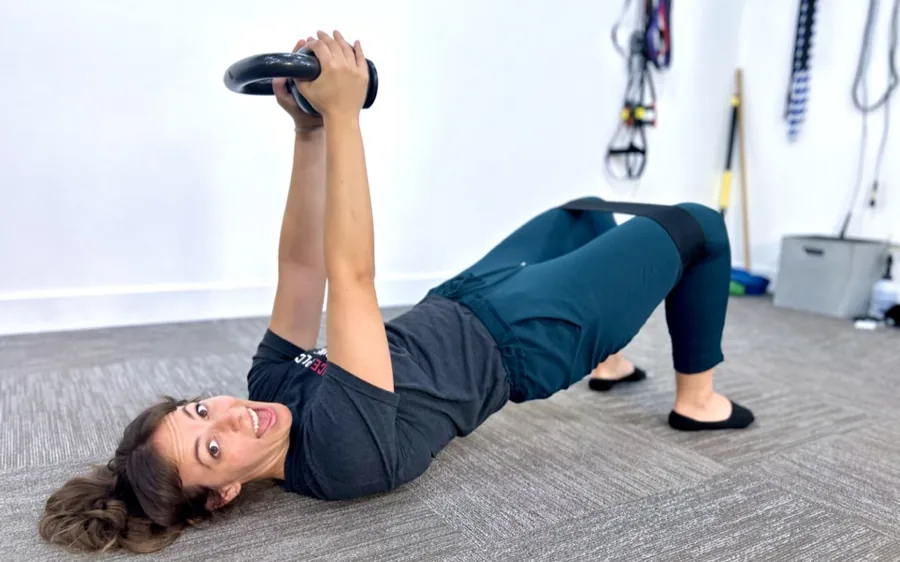
Resistance exercise has been shown to be an effective intervention for reducing OA pain and improving both physical function and self-efficacy. The proposed mechanism goes beyond just "stronger muscles": resistance training may restore joint mechanics and normalize muscle firing patterns, which is linked to reductions in joint pain and, potentially, cartilage degradation itself (Vincent & Vincent, 2012).
Breaking the fear-avoidance cycle
Chronic OA pain often brings anxiety, depression, and a fear of movement along with it — and that fear can lead people to avoid exercise and social activities altogether, deepening both physical and social isolation (Vincent & Vincent, 2012). The physical adaptations from resistance training don't just address the joint; they're linked to improved self-efficacy and reduced anxiety and depression, which is often what actually gets someone to keep showing up (Vincent & Vincent, 2012).
What the trials actually found
The evidence isn't abstract. In one trial of 171 adults, a supervised resistance program produced a 42% reduction in WOMAC-scored pain and disability at nine months, compared to 23% in a self-management-only group (Vincent & Vincent, 2012). In another trial of 102 adults, high-resistance training reduced WOMAC scores by 43% and low-resistance training by 38%, compared to just 14% in a no-exercise control group, after only two months (Vincent & Vincent, 2012). A third trial following 221 adults for 30 months found that physical function was better preserved in the resistance-trained group compared to a flexibility-only control (Vincent & Vincent, 2012).
A quick note
This article is educational, not medical advice, and osteoarthritis is a real diagnosis that deserves a real medical evaluation. Finish Line Personal Training is a strength & conditioning coaching company, not a medical provider — we don't diagnose or treat osteoarthritis or any joint condition. If you're dealing with joint pain, see your doctor first. If you're medically cleared to exercise, we're glad to build a program around your specific situation.
References
- Roos, E. M., & Arden, N. K. (2015). Strategies for the prevention of knee osteoarthritis. Nature Reviews Rheumatology, 12(2), 92–101.
- Vincent, K. R., & Vincent, H. K. (2012). Resistance exercise for knee osteoarthritis. PM&R, 4(5 Suppl), S45–S52.
- Øiestad, B. E., Juhl, C. B., Eitzen, I., & Thorlund, J. B. (2015). Knee extensor muscle weakness is a risk factor for development of knee osteoarthritis: A systematic review and meta-analysis. Osteoarthritis and Cartilage, 23(2), 171–177.