"Just rest it" is the default advice for almost any injury. The research on pre-surgery strength and cross-limb training tells a more useful, and more actionable, story.
Going into surgery stronger changes the outcome
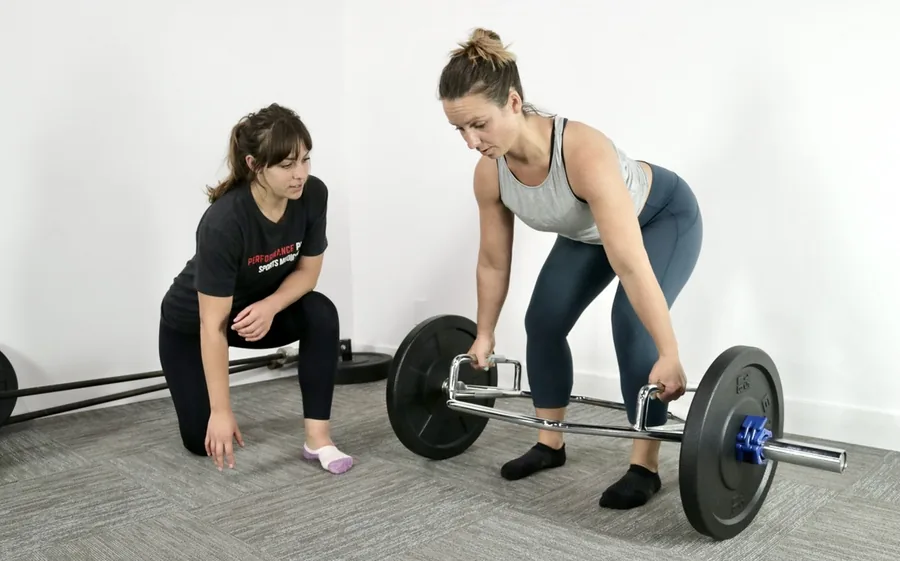
A systematic review and meta-analysis in Frontiers in Sports and Active Living examined resistance training performed before total hip or knee replacement surgery. It found moderate-to-large improvements in functional performance and maximal knee extensor strength at three months post-surgery, with benefits still measurable at 12 months (Jørgensen et al., 2022).
Patient-reported outcomes improved too
The same meta-analysis found pre-surgical resistance training produced small-to-moderate improvements in patient-reported daily activity and sport and recreation function three months after surgery, along with a small but real reduction in reported pain at the 12-month mark (Jørgensen et al., 2022).
Complete rest after injury isn’t always the better path
Broader prehabilitation research across surgical contexts — including cardiac and abdominal surgery — has consistently found that structured preoperative exercise improves functional capacity and reduces complications compared to standard care involving no structured pre-surgical activity (Exercise-based prehabilitation before cardiac surgery, 2025; Physical prehabilitation in major abdominal surgery, 2023).
Training one side benefits the other
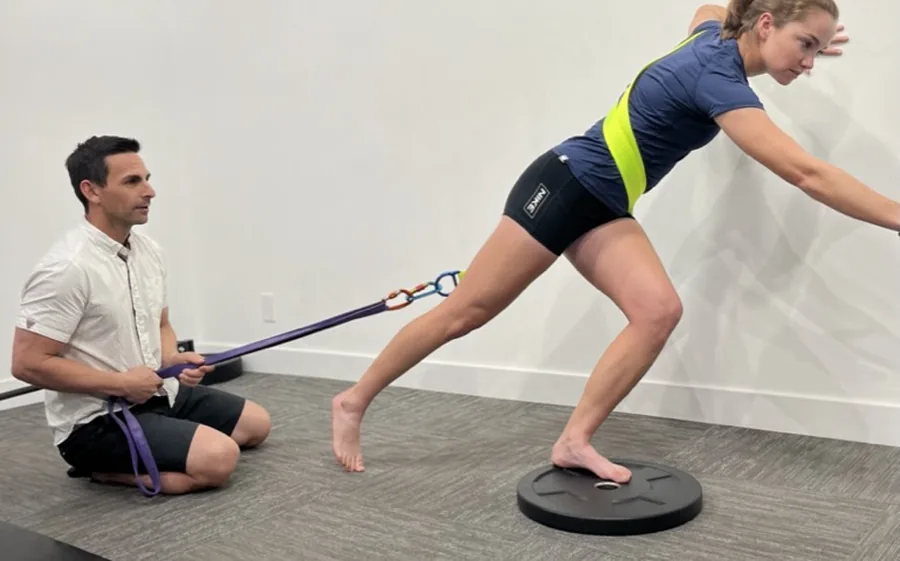
The cross-education effect — strength gains in an untrained limb following resistance training of the opposite limb — is a well-documented phenomenon dating back over a century. A systematic review and meta-analysis found unilateral resistance training produced average contralateral strength gains of roughly 9.6% in the upper limb and 16.4% in the lower limb over training periods of 3 to 12 weeks (cross-education meta-analysis literature, 2018).
Why this matters during immobilization
More recent research specifically on limb immobilization found that training the non-immobilized limb measurably reduced strength loss in the immobilized limb compared to immobilization alone — a real strategy for limiting detraining while one side of the body is out of commission for medical reasons (cross-education and immobilization meta-analysis, Journal of Applied Physiology, 2026).
A quick note
This article is educational, not medical advice, and this is exactly the territory where professional medical guidance matters most. Finish Line Personal Training is a strength & conditioning coaching company, not a medical provider — we don't diagnose injuries, clear people for surgery, or set post-operative protocols. Any training around an injury or a surgery should only happen within the specific limits and timeline your surgeon, doctor, or physical therapist has given you. If you're medically cleared to train within those limits, we're glad to help.
References
- Jørgensen, S. L., Kierkegaard, S., Bohn, M. B., Aagaard, P., & Mechlenburg, I. (2022). Effects of resistance training prior to total hip or knee replacement on post-operative recovery in functional performance: A systematic review and meta-analysis. Frontiers in Sports and Active Living, 4, 924307.
- Exercise-based prehabilitation before cardiac surgery: A systematic review, meta-analysis, meta-regression, and proposal for a clinical implementation model. (2025). Journal of Clinical Medicine, 14(22), 8195.
- Cross-education of unilateral resistance training as a strategy to mitigate immobilization-induced neuromuscular decline: A systematic review and meta-analysis. (2026). Journal of Applied Physiology. Advance online publication.