The most dangerous fat in your body isn't the kind you can pinch. Visceral fat builds up around internal organs, and it does more than sit there — it actively drives chronic inflammation.
Two kinds of fat, different behavior
Subcutaneous fat sits under the skin. Visceral fat accumulates deeper, around abdominal organs, and behaves more like an active endocrine tissue — releasing pro-inflammatory cytokines that keep the body in a low-grade inflammatory state (Frontiers in Immunology review, 2022).
What a 2022 meta-analysis found
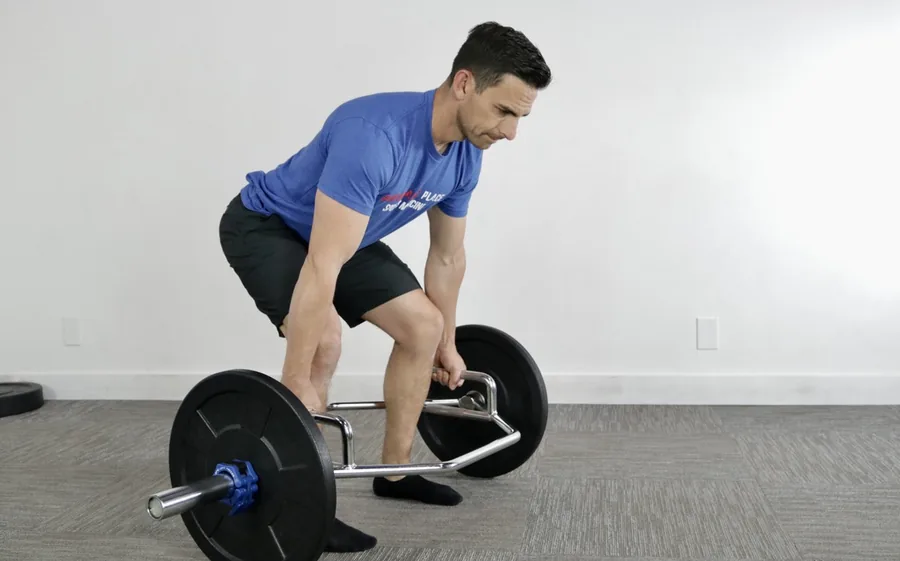
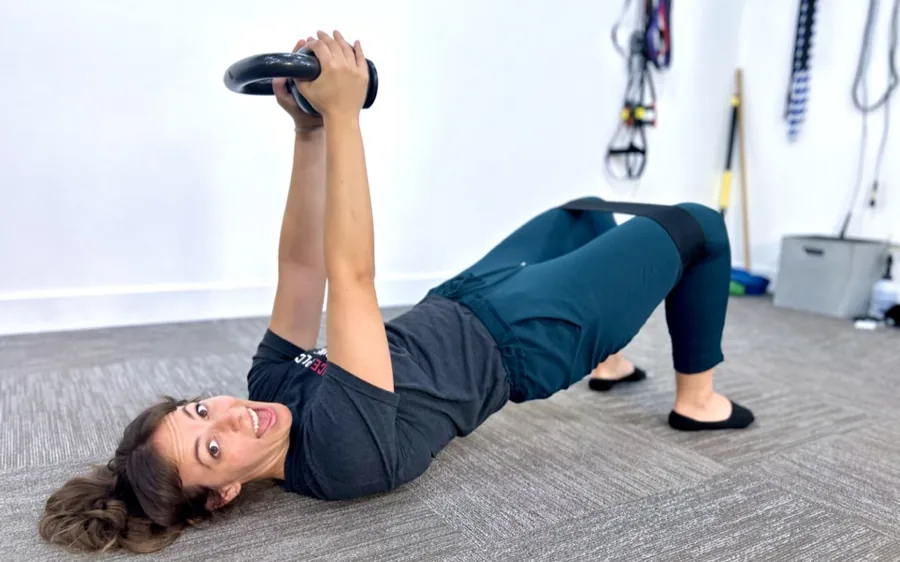
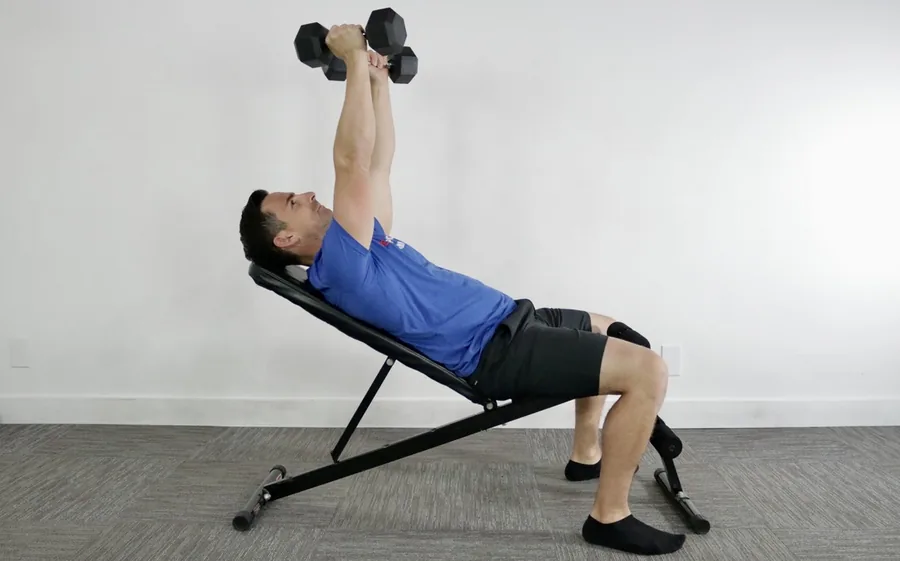
A systematic review and meta-analysis of 18 randomized controlled trials in older adults found resistance training significantly reduced C-reactive protein (a key inflammation marker), along with reductions in the inflammatory cytokines IL-10 and TNF-alpha, and a trend toward reduced IL-6 (Kim & Yeun, 2022).
The reduction held up across training styles
Notably, that meta-analysis found the CRP-lowering effect held regardless of participant age, training method, number of exercises, training intensity, or weekly frequency — suggesting the anti-inflammatory benefit isn't limited to one specific style of resistance training (Kim & Yeun, 2022).
Related findings in other at-risk groups
Similar anti-inflammatory effects from resistance training have been found in other at-risk populations. A systematic review and meta-analysis in adults with type 2 diabetes found supervised resistance training reduced C-reactive protein and inflammatory adipokines, alongside improvements in glycemic control and body composition (The Anti-Inflammatory Effects of Resistance Training in Patients with Type 2 Diabetes, 2025).
Why this matters beyond the scale
Research combining exercise modalities has found that reducing visceral and abdominal fat specifically is one of the mechanisms by which combined training reduces circulating inflammatory cytokines — meaning the benefit isn't only about total weight, but about where fat is stored and how much inflammatory signaling it's producing (Frontiers in Immunology review, 2022).
A quick note
This article is educational, not medical advice. Finish Line Personal Training is a strength & conditioning coaching company, not a medical provider — we don't diagnose or treat any condition related to body composition, inflammation, or metabolic health. If you have concerns in this area, talk to your doctor. If you're medically cleared to exercise, we're glad to help you build a training program.
References
- Kim, S.-D., & Yeun, Y.-R. (2022). Effects of resistance training on C-reactive protein and inflammatory cytokines in elderly adults: A systematic review and meta-analysis of randomized controlled trials. International Journal of Environmental Research and Public Health, 19(6), 3434.
- Effect of exercise training on body composition and inflammatory cytokine levels in overweight and obese individuals: A systematic review and network meta-analysis. (2022). Frontiers in Immunology, 13, 921085.
- The Anti-Inflammatory Effects of Resistance Training in Patients with Type 2 Diabetes: A Systematic Review and Meta-Analysis. (2025). Systematic review registration PROSPERO CRD420251149352.