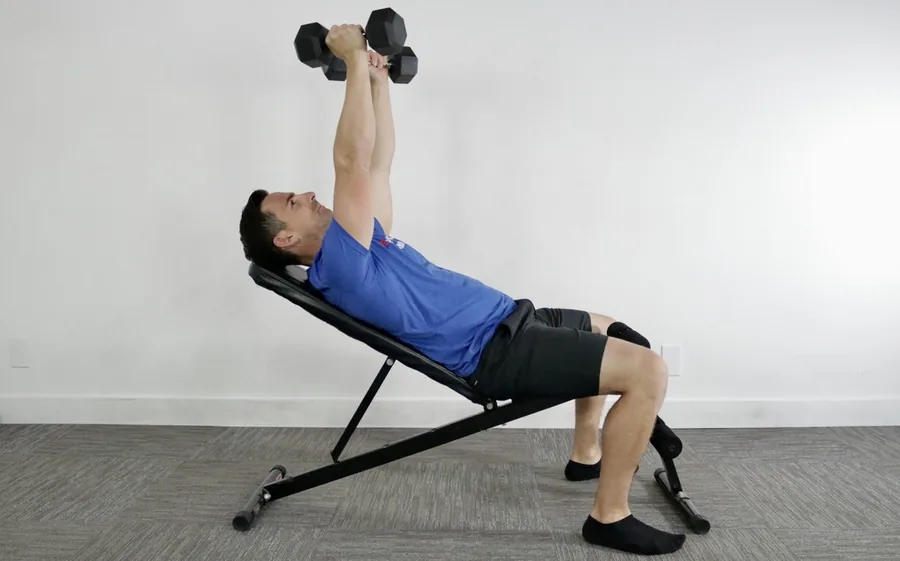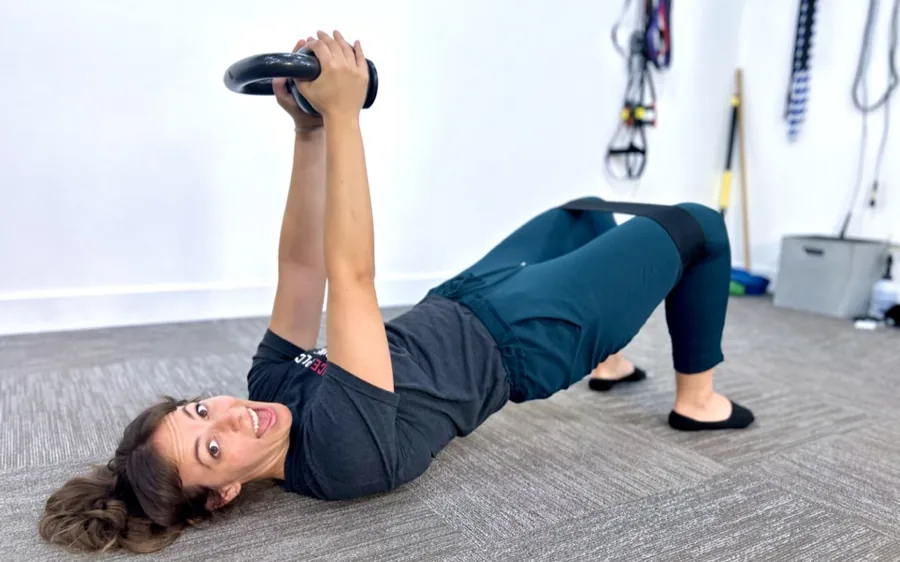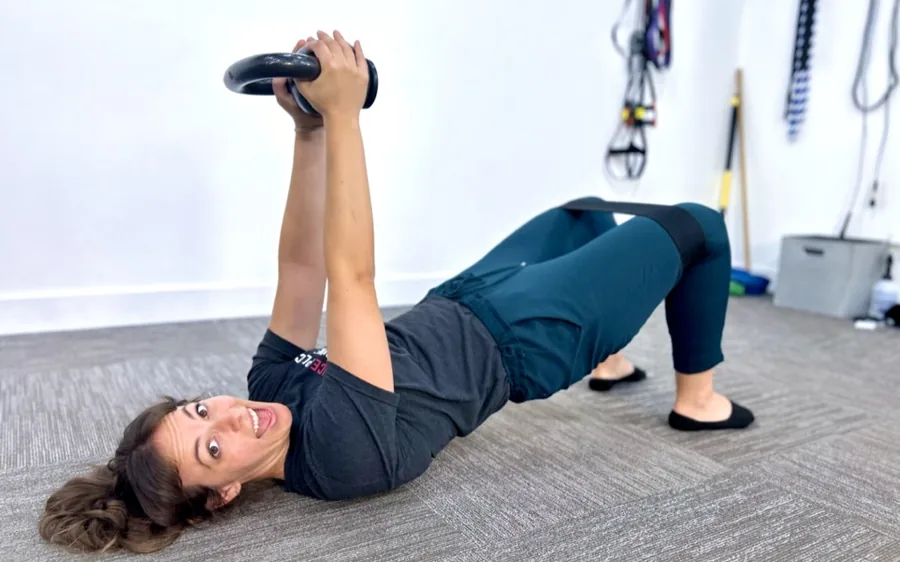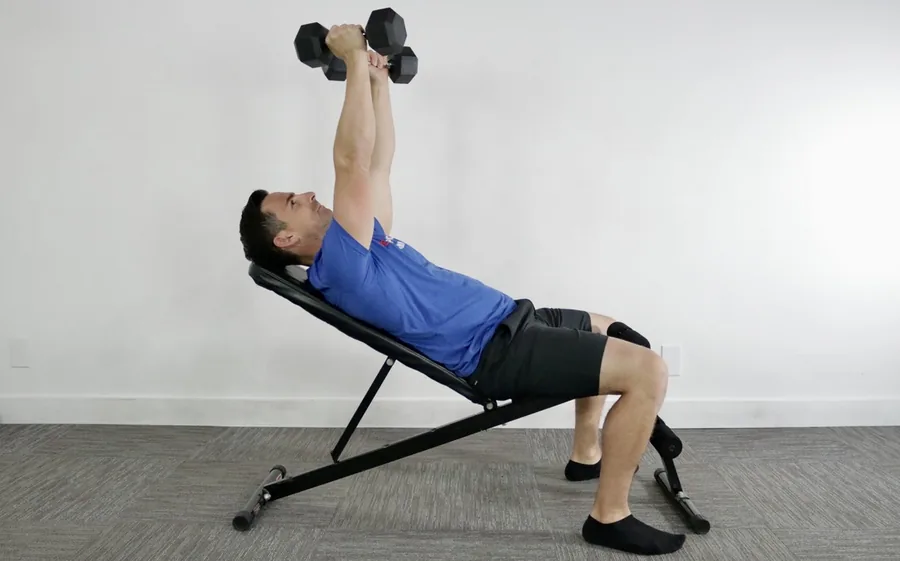
"Should I do Pilates or lift weights?" A head-to-head randomized trial has actually answered a version of this question directly — and the results were not close.
A real head-to-head trial
The MEDEX-OP trial randomized 115 postmenopausal women with low bone mass to either eight months of twice-weekly, supervised high-intensity resistance and impact training (HiRIT), or a low-intensity Pilates-based exercise program. Both groups trained for 45 minutes, twice a week, for eight months (Kistler-Fischbacher et al., 2021).
What the results showed
The resistance training group saw significantly greater improvements in bone mineral density, muscle strength, functional performance, and even stature compared to the Pilates group. The Pilates-based program produced little to no measurable change in bone mass over the same period (Kistler-Fischbacher et al., 2021; Yong et al., 2022).
Why the difference is mechanical, not a knock on Pilates
The gap comes down to mechanical loading. Bone and muscle adapt in proportion to the force placed on them. Pilates prioritizes control, precision, and light-to-moderate resistance, while progressive resistance training is specifically designed to overload muscle progressively — which is the stimulus bone and muscle actually respond to (Kistler-Fischbacher et al., 2021).
Related research backs up the pattern
A broader network meta-analysis on exercise and bone mineral density in postmenopausal women similarly found resistance training had a clear advantage over other exercise modalities for reducing bone loss and increasing bone density (Xu et al., 2025).
Where Pilates still has a role
None of this makes Pilates without value — it can support core control, balance, and coordination. But if your goal includes building strength, muscle, or bone density specifically, the evidence points toward resistance training as the tool that actually produces those adaptations, with Pilates as a possible complement rather than a substitute (Kistler-Fischbacher et al., 2021).
A quick note
This article is educational, not medical advice. Finish Line Personal Training is a strength & conditioning coaching company, not a medical provider. If you have a specific bone health concern (like osteoporosis or a fracture history), talk to your doctor before starting a new training program. If you're medically cleared to exercise, we're glad to help you build one.
References
- Kistler–Fischbacher, M., Yong, J. S., Weeks, B. K., & Beck, B. R. (2021). A comparison of bone–targeted exercise with and without antiresorptive bone medication to reduce indices of fracture risk in postmenopausal women with low bone mass: The MEDEX–OP randomized controlled trial. Journal of Bone and Mineral Research, 36(9), 1680–1693.
- Yong, J. S., Weeks, B. K., & Beck, B. R., et al. (2022). High–intensity exercise and geometric indices of hip bone strength in postmenopausal women on or off bone medication: The MEDEX–OP randomised controlled trial. Calcified Tissue International, 111, 375–387.
- Effect of different types of exercise on bone mineral density in postmenopausal women: A systematic review and network meta–analysis. (2025). Scientific Reports, 15, 11842.